Healthy Cauliflower Rice Pilaf
Highlighted under: Fresh Kitchen Favorites
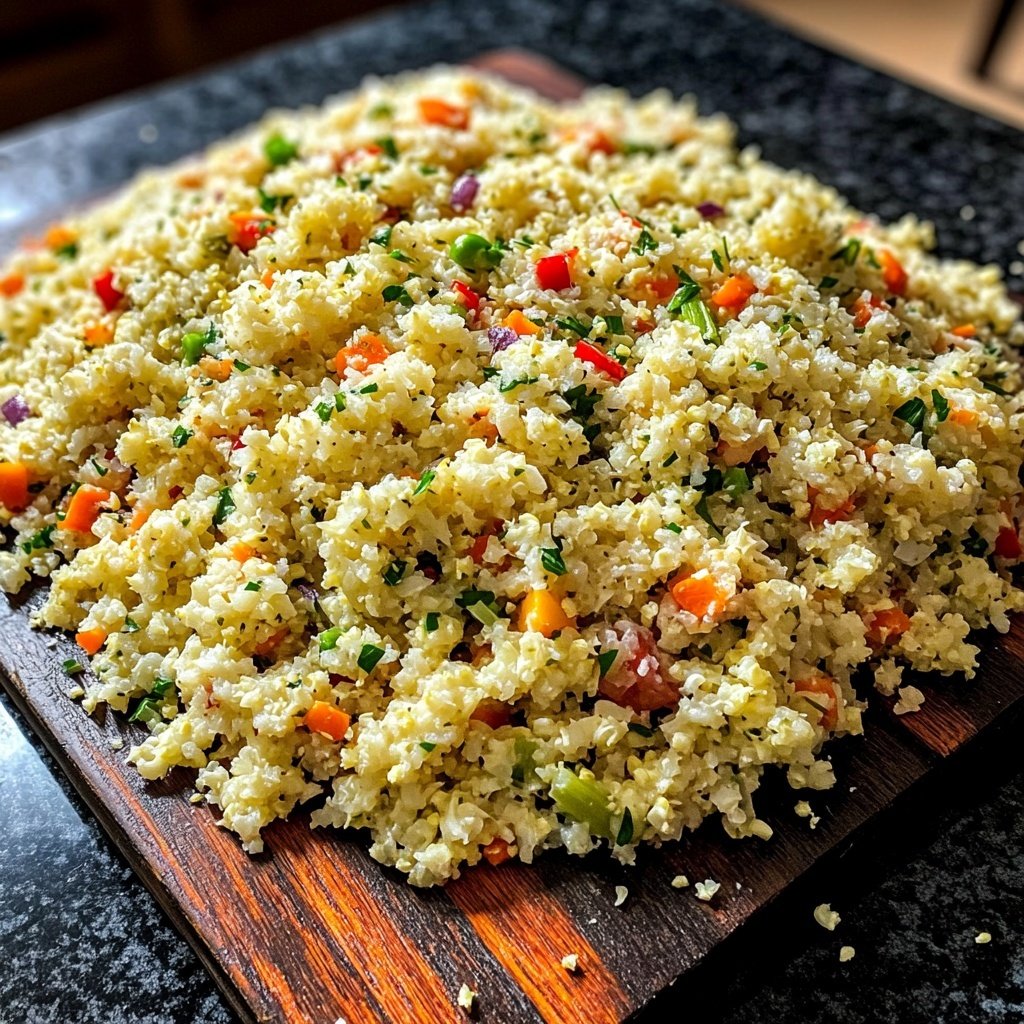
I absolutely love making this Healthy Cauliflower Rice Pilaf when I want a light yet satisfying meal. The cauliflower adds a wonderful texture and flavor that bursts with freshness. By using cauliflower instead of traditional rice, I keep it low-carb without sacrificing taste. Plus, this dish is incredibly versatile – I can easily toss in whatever vegetables I have on hand. It’s a quick, healthy option that has become a regular in our home, perfect for any night of the week!
When I first attempted to make cauliflower rice, I was blown away by how easy it is to prepare! Using a food processor to achieve the right texture is key, and I always ensure my cauliflower is chopped into small, rice-sized pieces before cooking. It manages to absorb flavors wonderfully, especially when sautéed with garlic and onion. This method infuses the dish with a rich base that pairs perfectly with any protein or as a stand-alone dish.
I've experimented with different spices and vegetables, and I enjoy adding peas and carrots for a pop of color and sweetness. The beauty of this pilaf is its adaptability; I can mix in leftovers from the fridge or seasonal vegetables, making it fantastic for meal prep. I recommend keeping a balance of flavors and colors to create an enticing, healthy dish every time!
Why You'll Love This Recipe
- Low-carb alternative that doesn't compromise on flavor
- Packed with nutrients and fresh vegetables
- Easy to customize with your favorite ingredients
- Perfect for quick weeknight dinners or meal prep
Cooking Techniques for Perfect Cauliflower Rice
When preparing cauliflower rice, the texture is key to creating the perfect pilaf. Grating the cauliflower to a size resembling traditional rice not only ensures even cooking but also helps it absorb the flavors of the other ingredients. Whether you choose to use a box grater or a food processor, aim for a consistency that's fluffy and not too mushy. If you accidentally over-grate it into a paste, don’t fret – cooking it on medium heat for a little longer can help firm it up.
Sautéing the onion until it's translucent and aromatic sets a flavorful base for the dish. Be careful not to rush this step; medium heat works best to extract sweetness from the onions without burning them. If you notice them starting to brown too quickly, lower the heat and add a splash of water to deglaze the pan. This also helps maintain a tender texture in the finished pilaf.
Customizing Your Pilaf
One of the delightful aspects of this Healthy Cauliflower Rice Pilaf is its versatility. You can easily swap the mixed vegetables for whatever you have in your fridge – try zucchini, mushrooms, or broccoli for varied flavors and textures. If you prefer a protein boost, feel free to add cooked chicken, shrimp, or chickpeas towards the end of cooking. Just ensure that the added ingredients are pre-cooked or semi-cooked, so they don’t affect the cooking time of the cauliflower.
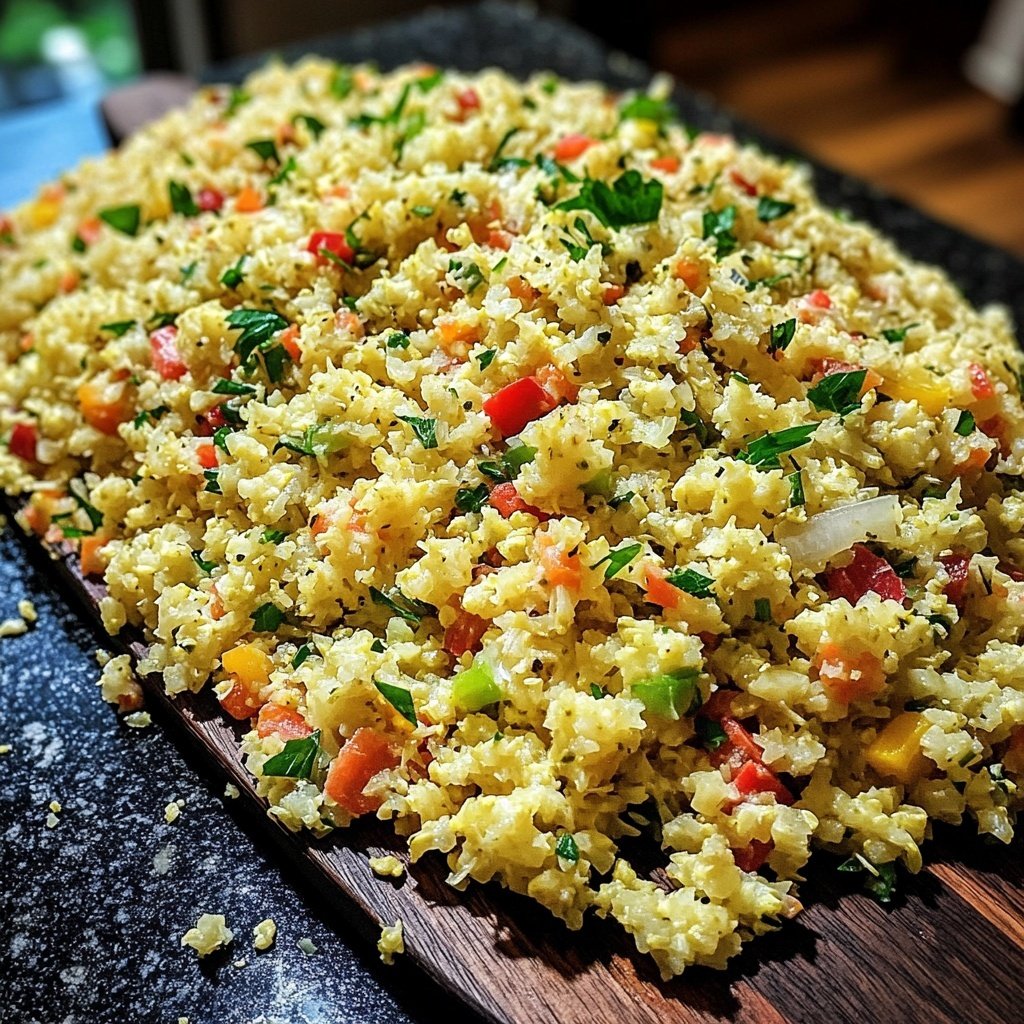
Fresh herbs like parsley or cilantro add a burst of freshness that enhances the overall dish. You can also drizzle with lemon juice before serving for an added zesty kick. Experimenting with spices can create different flavor profiles—consider a pinch of cumin or smoked paprika for a warm, earthy twist.
Ingredients
Ingredients
For the Cauliflower Rice Pilaf
- 1 medium head of cauliflower, grated into rice-like pieces
- 1 tablespoon olive oil
- 1 small onion, finely chopped
- 2 cloves garlic, minced
- 1 cup mixed vegetables (peas, carrots, and bell peppers)
- Salt and pepper to taste
- Fresh herbs for garnish (parsley or cilantro)
Ensure everything is prepped before you start cooking for a smooth process.
Instructions
Instructions
Prepare the Cauliflower
Remove the leaves from the cauliflower and cut it into quarters. Using a box grater or food processor, grate the cauliflower into rice-sized pieces.
Sauté Vegetables
In a large skillet, heat olive oil over medium heat. Add the chopped onion and cook until translucent, about 5 minutes. Stir in the minced garlic and sauté for another minute.
Add Cauliflower Rice
Stir in the grated cauliflower and mixed vegetables. Season with salt and pepper, and cook for about 10-15 minutes until the cauliflower is tender but still slightly firm.
Garnish and Serve
Remove from heat and garnish with fresh herbs. Serve warm as a side or main dish.
Feel free to explore different herbs and spices to elevate the flavors!
Pro Tips
- Experiment with different vegetable combinations for variety, and don’t forget to taste as you go to adjust the seasonings to your liking.
Storing and Reheating Tips
If you find yourself with leftovers, storing them properly is essential to maintain flavor and texture. Place the cooled pilaf in an airtight container in the refrigerator, where it can last for up to four days. To reheat, do so gently in a skillet over low heat, adding a splash of vegetable broth or water to prevent it from drying out.
For longer storage, this dish freezes beautifully. Portion it out into freezer-safe containers, and it can keep for up to three months. When you're ready to eat, simply thaw overnight in the refrigerator and reheat according to the instructions above for a quick and nutritious meal.
Troubleshooting Common Issues
One common concern when making cauliflower rice pilaf is achieving the right texture. If your pilaf ends up too watery, it could be due to excess moisture in the cauliflower itself. To remedy this, try salting the grated cauliflower and letting it sit for about 10 minutes before cooking. This will draw out moisture and help achieve that perfect fluffy consistency.
Another potential issue is undercooked cauliflower, which can be unappetizingly crunchy. If you prefer a softer bite, simply cover the skillet while the pilaf cooks, trapping steam to help cook the cauliflower more evenly. Just be careful not to overdo it; you still want a little bite in every forkful!
Questions About Recipes
→ Can I make this dish in advance?
Absolutely! You can prepare it ahead of time and store it in the refrigerator for up to 3 days. Reheat in a pan or microwave before serving.
→ What other vegetables work well in this recipe?
You can add zucchini, mushrooms, or spinach for added flavor and nutrition. Just remember to adjust cooking times accordingly.
→ Is cauliflower rice gluten-free?
Yes! Cauliflower rice is naturally gluten-free, making it a great option for those following a gluten-free diet.
→ Can I freeze the cauliflower rice pilaf?
Yes, you can freeze it! Just let it cool completely before transferring it to an airtight container. It will keep well for up to 3 months.
Healthy Cauliflower Rice Pilaf
Created by: Brielle Thompson
Recipe Type: Fresh Kitchen Favorites
Skill Level: Beginner
Final Quantity: 4 servings
What You'll Need
For the Cauliflower Rice Pilaf
- 1 medium head of cauliflower, grated into rice-like pieces
- 1 tablespoon olive oil
- 1 small onion, finely chopped
- 2 cloves garlic, minced
- 1 cup mixed vegetables (peas, carrots, and bell peppers)
- Salt and pepper to taste
- Fresh herbs for garnish (parsley or cilantro)
How-To Steps
Remove the leaves from the cauliflower and cut it into quarters. Using a box grater or food processor, grate the cauliflower into rice-sized pieces.
In a large skillet, heat olive oil over medium heat. Add the chopped onion and cook until translucent, about 5 minutes. Stir in the minced garlic and sauté for another minute.
Stir in the grated cauliflower and mixed vegetables. Season with salt and pepper, and cook for about 10-15 minutes until the cauliflower is tender but still slightly firm.
Remove from heat and garnish with fresh herbs. Serve warm as a side or main dish.
Extra Tips
- Experiment with different vegetable combinations for variety, and don’t forget to taste as you go to adjust the seasonings to your liking.
Nutritional Breakdown (Per Serving)
- Calories: 150 kcal
- Total Fat: 7g
- Saturated Fat: 1g
- Cholesterol: 0mg
- Sodium: 10mg
- Total Carbohydrates: 22g
- Dietary Fiber: 5g
- Sugars: 4g
- Protein: 4g